
You Really Like Me: How Audiences Shape Creativity Online
Drawing on the largest and most comprehensive mixed-methods study of YouTube content creators and viewers to date, You Really Like Me examines the influence and impacts of audiences on cultural production in the platform era. Pairing in-depth interviews and surveys across creators and their communities, this book documents how patterned audience conventions shape what creators make, how they iterate on form, and when they pivot.
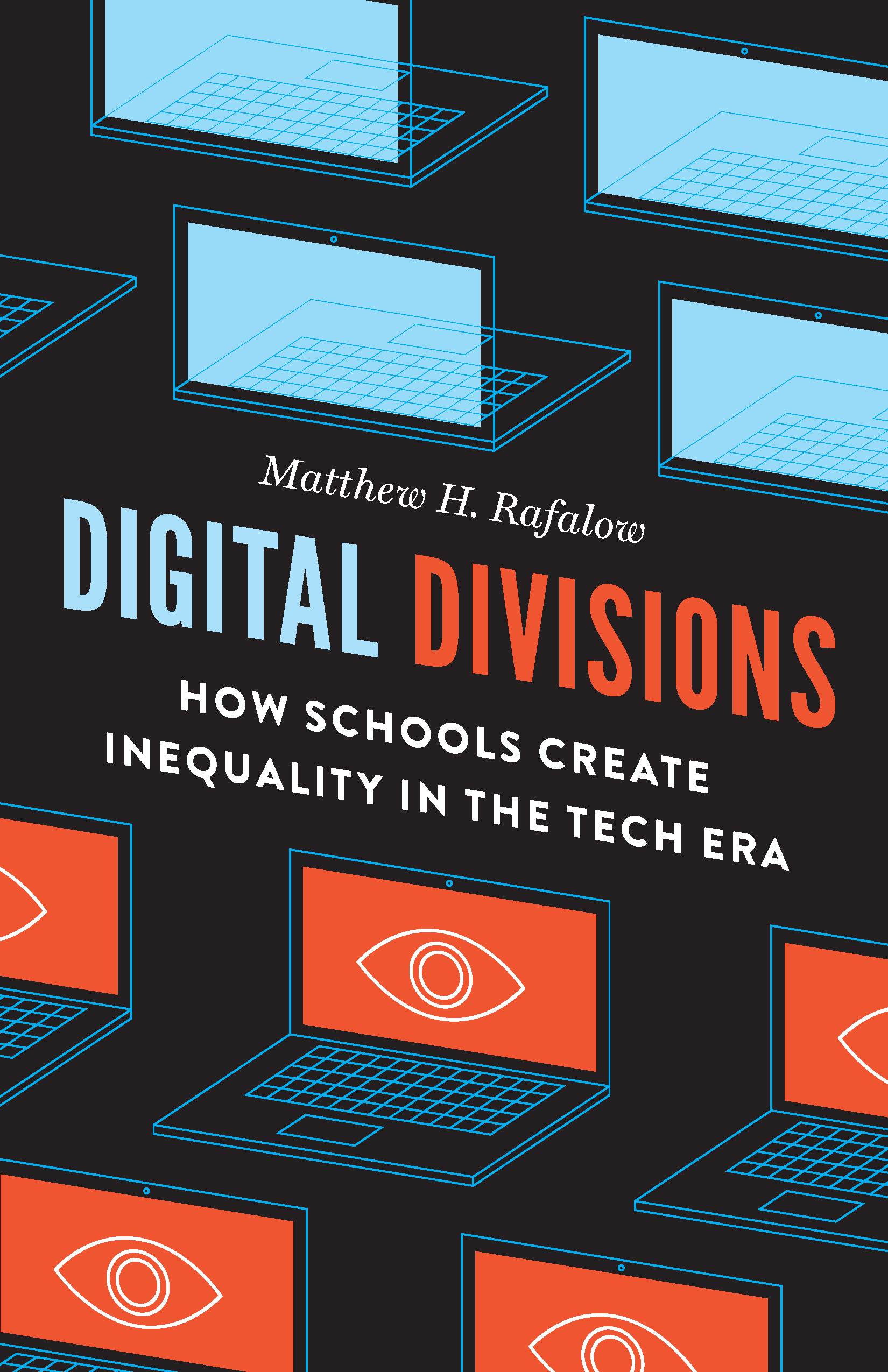
Digital Divisions: How Schools Create Inequality in the Tech Era
Drawing on 600 hours of observation and over 100 interviews with teachers, administrators, and students across three middle schools, Digital Divisions documents how schools treat kids’ everyday digital skills – honed through gaming, social media, and online creation – radically differently by race and class, constructing youth as either risky hackers or Steve Jobs potentials.
“Theoretically sophisticated, superbly written, and effectively argued, Digital Divisions shines a bright light on one of the most vexing problems of our time. A must read.”
Roberto G. Gonzales · Professor of Education, Harvard University
“Beautifully written and meticulously researched, Digital Divisions captures the complicated reality of how race and class dynamics shape children’s access to the full benefits of our digital reality.”
Amanda E. Lewis · LAS Distinguished Professor of Sociology, UIC
“In an analysis that is reminiscent of Jean Anyon’s seminal work on social class and school knowledge, Rafalow highlights the way school cultures and teachers’ raced and classed expectations contribute to the reproduction of inequality and the digital divide.”
Stacey J. Lee · Frederick Erickson WARF Professor of Educational Policy Studies, UW–Madison
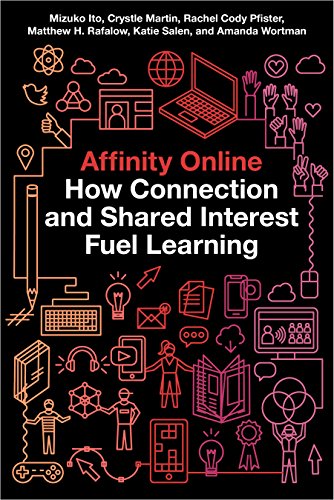
Affinity Online: How Connection and Shared Interest Fuel Learning
Part of the MacArthur Foundation Connected Learning initiative, Affinity Online is a comparative ethnography of online social worlds – from video games to fan fiction and knitting communities – showing how online affinity networks act as peer-run learning ecosystems where youth develop digital mastery even when local supports are absent.

